
What You Need to Know First

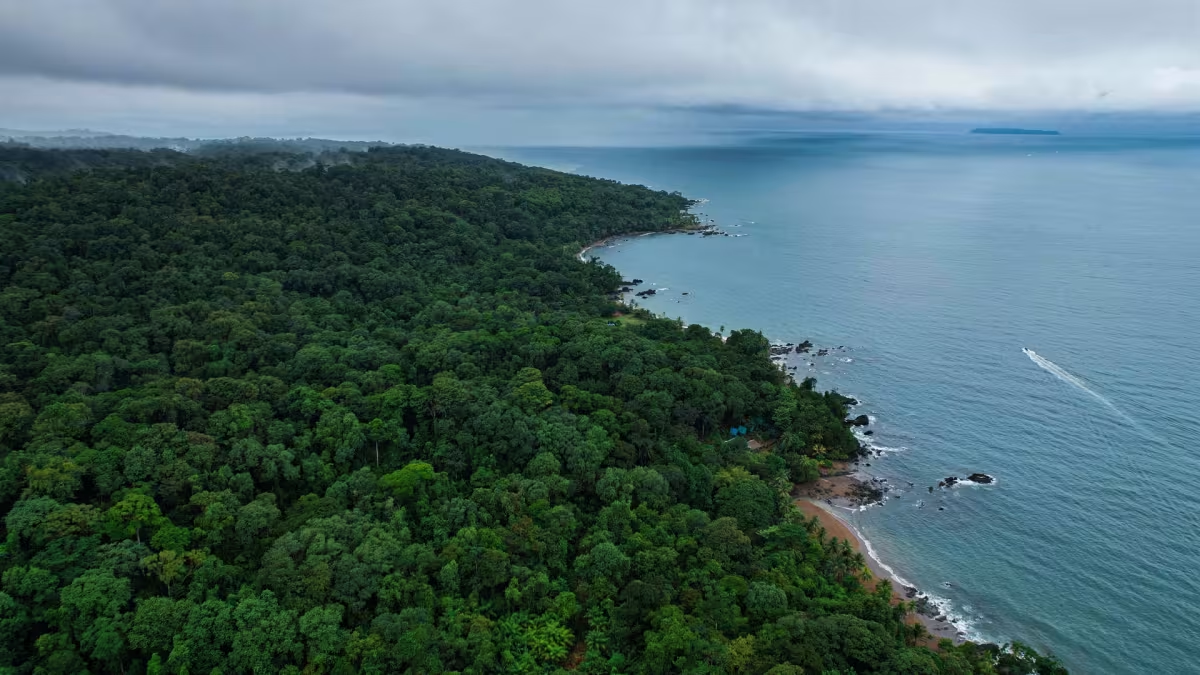
Drake Bay is one of the most remote and nature-focused destinations in Costa Rica. It is located in the southern part of the country, in the Osa Peninsula. It serves primarily as a gateway to Corcovado National Park and Caño Island Biological Reserve, two of the most biodiverse areas in the country.
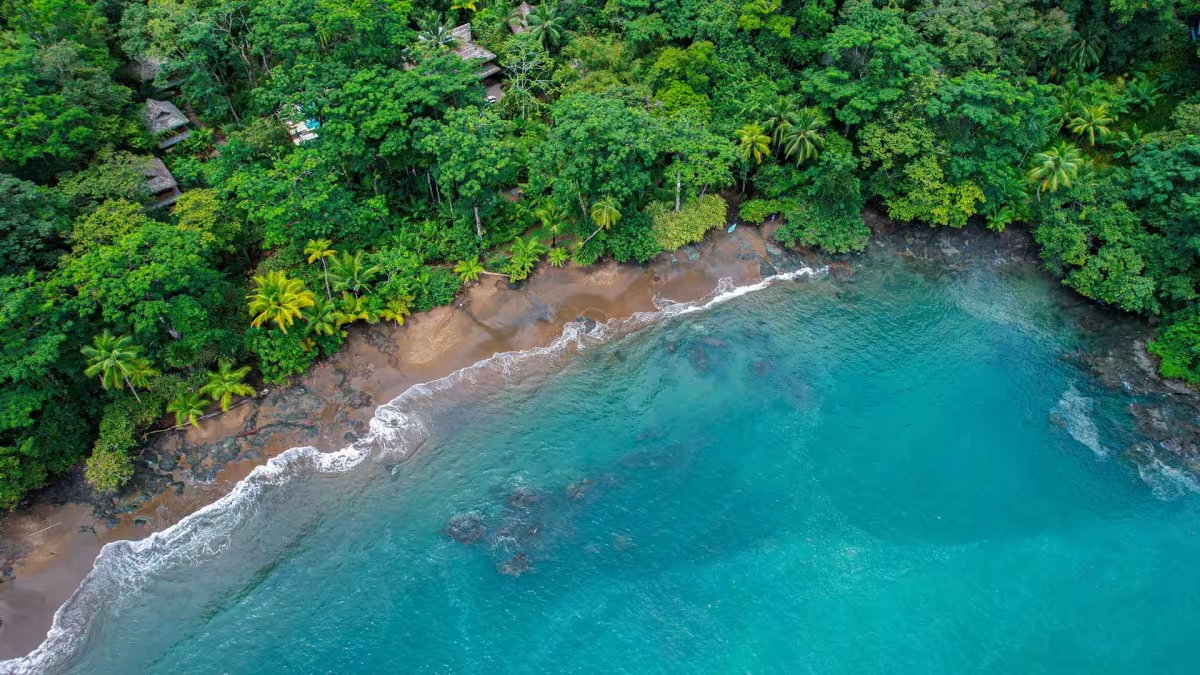
Since Drake Bay is isolated, there’s no large town center and the infrastructure is limited. Most accommodations are small eco-lodges, many accessible only by boat. For the right type of traveler, this is part of the appeal. Visitors stay here for guided wildlife experiences, rainforest immersion, and time in one of the most intact and biodiverse ecosystems in Central America.
Quick Facts
- Best time to visit: January–April for drier weather; May–August for fewer crowds and strong wildlife activity.
- How to get there: Domestic flight from San José to Drake Bay or Palmar Sur, followed by boat or road transfer.
- Days needed: 3–4 days minimum.
- Budget: $250–$600 per day depending on lodge and activity level.
- Primary activity: Guided nature excursions to Corcovado National Park and Caño Island.
- Difficulty level: Moderate logistics; remote destination with limited infrastructure.
About Drake Bay
Drake Bay takes its name from the English privateer (or pirate, depending on who tells you the story) Sir Francis Drake. Folklore has it that he anchored here in the late 16th century, and that some of his treasure may be hidden nearby. Nowadays, Drake Bay’s biggest treasure is its rich flora and fauna.
The area is centered around the small village of Agujitas, which sits along the shoreline and serves as the main arrival point for boats and local services. Beyond this, Drake Bay becomes more spread-out, with eco-lodges and guesthouses extending along the coast and into the surrounding rainforest.
Drake Bay Key Stats
- Elevation/geography: Sea-level coastal rainforest on the northern Osa Peninsula, surrounded by primary jungle and protected areas.
- Closest major city: No nearby large urban center.
- Airport access: Drake Bay airstrip or Palmar Sur airstrip, both requiring onward transfer from the San José international airport.
- Unique features: Direct access to Corcovado National Park and Caño Island, one of the highest levels of biodiversity in Costa Rica, and a largely undeveloped, eco-friendly tourism model.
Who Is Drake Bay Best For?

Drake Bay is most enjoyed by travelers who prioritize nature and wildlife. If you’re comfortable with a remote setting and ecotourism-style experiences, then you’ll do great here. It is less suited to travelers looking for nightlife, resort-style variety, or easy and flexible logistics.
- Nature enthusiasts. Drake Bay is one of the best access points to famous national parks and nature reserves, making it a strong fit for those interested in rainforest ecosystems, marine life, and wildlife experiences.
- Divers and ocean-focused travelers. Caño Island, easily accessed from Drake Bay, is one of Costa Rica’s top diving and snorkeling destinations.
- Remote and off-the-grid experiences. This is one of the least developed regions in Costa Rica. Lodges are often isolated, and access can involve boats or small planes.
- Couples seeking a quiet, secluded setting. Many properties are designed around the privacy of the natural surroundings, making Drake Bay a good option for low-key trips focused on relaxation and time alone.
- Families with an active travel style. Families who are prepared for guided tours, boat transfers, and limited infrastructure can have a strong experience here, particularly with older children.
Pros and Cons
Like every destination, Drake Bay offers advantages and drawbacks for different kinds of guests. This is what you need to know before visiting:
Pros
- Direct access to Corcovado National Park. Drake Bay is one of the main gateways to Corcovado, making it one of the best places in Costa Rica for genuine rainforest exploration and wildlife appreciation.
- Convenient base for Caño Island. The bay offers some of the most convenient access to Caño Island for snorkeling and diving trips, with relatively short boat transfers compared to other entry points.
- High levels of biodiversity. The surrounding Osa Peninsula is one of the most biologically rich regions in Costa Rica, with dense rainforest, abundant wildlife, and largely protected habitats. Very few people visit compared to other natural areas, adding to the authenticity of the experience.
- Remote and low-impact setting. Development is limited, and most accommodations are small eco-lodges. The overall feel is quiet and focused on nature rather than tourism infrastructure.
Cons
- Accessibility. Getting to Drake Bay typically requires a domestic flight or a combination of road and boat transfers, which adds time and planning compared to other destinations.
- Limited infrastructure. There is no developed town center, and services such as shops and medical facilities are limited, especially outside the main village.
- Fewer dining and nightlife options. Most travelers eat at their lodge, and there are only a small number of independent restaurants in the area.
- Higher overall costs. Once transport and guided tours are factored in, Drake Bay can be more expensive than more accessible destinations in Costa Rica.
How Drake Bay Compares with Other Beaches

Drake Bay isn’t built around surfing, nightlife, or a large town, but around access to remote rainforest and marine expeditions. Compared to other destinations, there are key differences in accessibility, infrastructure, and the overall focus of the experience. However, for the right type of traveler, everything will be worth it.
Drake Bay vs Puerto Jiménez
Both Drake Bay and Puerto Jiménez are located on the Osa Peninsula and serve as gateways to Corcovado National Park, but they have different ambiances. Puerto Jiménez is more developed, with a defined town center, a wider range of accommodations, restaurants, services, and easier overland access. It works well for travelers who want more flexibility and the option to explore independently.
Drake Bay vs Manuel Antonio
Manuel Antonio is one of Costa Rica’s most popular destinations, combining a national park, beaches, and a well-developed tourism infrastructure. It’s easy to reach by road from international airports and it has a wide range of hotels, restaurants, and tour options. Visitors can explore the national park on shorter visits and combine it with beach time, dining, and other activities.
Because of this, Manuel Antonio is a better fit for travelers looking for a balance of nature and convenience. Drake Bay suits those willing to trade accessibility for a deeper, more remote rainforest experience.
When to Visit Drake Bay
Timing your visit to Drake Bay is important. While conditions are excellent for much of the year, we don’t generally recommend this part of Costa Rica in the months of September and October. Heavy rainfall during these months limits access to Corcovado National Park and disrupts boat travel. Many of the eco-lodges around Drake Bay close during this time of year, too.
High Season / Dry Season (Dec–March)
This is the best and most reliable time to visit Drake Bay. Conditions are generally sunny, with lower rainfall and more predictable access to both Corcovado and Caño Island.
- Weather: Warm, humid, and mostly dry. Temperatures typically range from the upper 70s to low 90s °F (25–32°C).
- Crowds: Moderate to high, peak is in the holiday week at the end of December and beginning of January.
- Pricing: Peak travel season with higher lodge rates and strong demand for tours.
- Trail conditions: Drier and easier to navigate, with fewer issues from mud or river crossings.
- Diving and snorkeling: Best overall conditions for Caño Island, with good visibility and reliable departures.
- Best for: Travelers looking for consistent access to Corcovado and Caño Island with the least disruption.
- Recommendation: January through April offer the most reliable overall conditions for nature exploration.
Wet Season / Rainy Season (May–Nov)
The rainy season brings greener rainforest, fewer visitors, and strong wildlife activity, but also more variability in access and conditions. Note that trails inside Corcovado are often closed during September and October.
- Weather: Hot and humid with a mix of sun and rain. May through August often have sunny mornings followed by afternoon showers, while September and October are the wettest months.
- Crowds: Lower, especially midweek and during the rainiest months.
- Pricing: Generally the best value of the year, with lower lodge rates and more availability.
- Trail conditions: Can be muddy and more challenging, with river crossings sometimes limiting access.
- Diving and snorkeling: Conditions can still be good, but are more variable due to weather and ocean conditions.
- Pros: Fewer tourists, greener scenery, and strong wildlife activity.
- Cons: Rain can impact access and tours, and September and October often see heavy disruption, closures, and limited access.
- Best months: May through August offer the best balance of weather and value.
Shoulder Seasons (May–June, November–early December)
- Advantages: Fewer crowds and better pricing than peak season, with improving weather and generally manageable conditions.
- Disadvantages: Weather can be less predictable, with periods of rain and more variable access to outdoor activities.
Month-by-Month Breakdown
| Month | Weather | Crowds | Best For |
| Jan | Sunny, dry | Moderate–High | Reliable conditions |
| Feb | Sunny, dry | High | Consistent travel |
| Mar | Sunny, hot | High | Peak dry season |
| Apr | Hot, mostly dry | High | Late dry season |
| May | Start of rains | Moderate | Fewer crowds, greener |
| Jun | Mixed sun & rain | Moderate | Shoulder travel |
| Jul | Mixed sun & rain | Moderate | Balanced conditions |
| Aug | Mixed sun & rain | Moderate | Lower crowds |
| Sep | Very rainy | Low | Not recommended |
| Oct | Very rainy | Low | Not recommended |
| Nov | Improving weather | Moderate | Shoulder season |
| Dec | Dry by mid-month | Moderate–High | Start of high season |
How to Get to Drake Bay

Drake Bay is one of the most remote destinations in Costa Rica, and getting there requires more planning than most other places in the country. There’s no simple drive from San José, and access depends on a combination of air, road, and boat transport.
From San José
For most travelers, flying is the most practical and reliable way to reach Drake Bay. Domestic flights from San José to the Drake Bay airstrip typically take around an hour and are offered by local carriers. Flights are relatively straightforward, but luggage allowances are stricter than on international routes, so it’s worth checking baggage policies in advance.
Once you arrive at the airstrip, your lodge will typically arrange the final stretch of your trip, which usually involves a short drive or boat ride, depending on where you’re staying.
Traveling by Boat
If you’re not flying directly to Drake Bay, the most common alternative is to travel to the town of Sierpe and continue by boat to Drake Bay. First, take a domestic flight from San José to Palmar Sur, which is a 15-minute drive away from the Sierpe dock, and then continue your journey from there. Boats depart on fixed schedules and take around one hour to one hour and a half, passing through mangroves and along the coastline before arriving in Agujitas. Here you’ll be taken to your hotel.
Shared and Private Shuttles
Taking a private or shared shuttle from San José to Sierpe takes around five to six hours. It’s a beautifully scenic and widely used route, but it requires more coordination and can be affected by weather and ocean conditions.
Renting a Car
Driving yourself all the way is also possible but less common. The journey typically takes six hours or more and requires a high-clearance 4x4 for the final stretches on the Osa Peninsula.
Local Transportation in Drake Bay
Transportation within Drake Bay is limited and largely coordinated through your lodge. It’s worth saying that there are not really many places to go to once you’re here!
- Boat transfers: Many lodges are accessed by boat, and transfers are arranged on arrival and departure.
- Guided transport: Most excursions, including trips to Corcovado National Park and Caño Island Biological Reserve, include transportation.
- Walking: Possible in the village area of Agujitas, but not practical between most lodges. If you want to hike, most properties have on-site trails that take you to the beach and around the nearby forests.
- Vehicles: Very limited; rough roads and terrain mean most visitors do not rely on self-driving once in the area.
Where to Stay in Drake Bay

Most properties in Drake Bay are small eco-lodges and guesthouses designed around access to natural highlights rather than traditional beach vacations. Properties near Agujitas offer easier access to restaurants, tour departures, and basic services. More remote lodges offer greater privacy and immersion in nature but often require boat transfers and more structured logistics.
Upscale Eco-Lodges in Drake Bay ($400–$1,000+ per night)
Upscale accommodations in Drake Bay are typically remote eco-lodges focused on privacy, wildlife access, and guided experiences rather than traditional luxury resort amenities. Due to their remoteness, upscale accommodations around Drake Bay generally include meals.
These are the hotels we personally recommend to guarantee world-class service, excellent dining, and true eco-tourism.
Copa De Arbol Beach & Rainforest Resort
- Location advantage: Located on a secluded stretch of coastline outside the main village and reachable only by boat, offering a highly private oceanfront setting surrounded by rainforest.
- Amenities: Balinese-style cabinas and villas, swimming pool, oceanfront restaurant and bar, all meals included, kayaking, paddleboarding, hiking trails, and guided access to Corcovado and Caño Island tours.
- Cost per night: From $670 per night.
- Good for: Couples, families, and travelers looking for a more polished eco-lodge experience with genuine seclusion.
Aguila de Osa Rainforest & Marine Adventure Lodge
- Location advantage: Located on a cliff overlooking Drake Bay on 28 acres of protected rainforest. It offers reliable access to both Caño Island and Corcovado excursions as well.
- Amenities: Spacious hardwood rooms and suites, full meal plan, on-site tours, kayaking, hiking trails, sportfishing, diving, snorkeling, bar, and restaurant.
- Cost per night: From $670 per night.
- Good for: Nature lovers, divers, and travelers who want a remote eco-lodge experience with strong activity options.
Corcovado Wilderness Lodge by SCP
- Location advantage: Located on 189 acres of rainforest near Drake Bay with strong access to Corcovado National Park, plus views toward Caño Island and the Pacific.
- Amenities: Elevated oceanview tree houses, rainforest villas, all meals included, pool, beach access, spa treatments, yoga classes, guided tours, non-motorized water sports equipment, and farm-to-table dining.
- Cost per night: From $1,000 per night.
- Good for: Travelers looking for the most upscale stay in the region with a stronger wellness component alongside nature experiences.
Mid-Range Hotels in Drake Bay ($150–$400 per night)
Mid-range properties tend to offer a strong balance between comfort, tour access, and location, often placing guests closer to Agujitas village, local restaurants, and departure points for Corcovado and Caño Island excursions.
Some examples are Drake Bay Getaway Resort (around $150–$350 per night) or Hotel Jinetes de Osa (typically from $100 per night, depending on season). These are usually better for travelers who want a practical, well-located base but do not want to be in the truly remote areas of Drake Bay.
Budget Hotels in Drake Bay ($35–$150 per night)
Budget options in Drake Bay are limited and tend to be far more rustic than what you may be used to in other parts of Costa Rica. Most focus on simple accommodations, strong nature access, and affordability rather than amenities. These tend to be popular among backpackers but offer little in terms of comfort, food, or service.
Booking Tips for Lodging in Drake Bay
Hotel inventory is limited in Drake Bay, and many of the most popular properties fill quickly during the dry season from December through April. Booking several months in advance is a smart move if you're traveling during peak season.
Lodges often close for part or all of September and October due to heavy rainfall and reduced demand. Always confirm that your hotel is operating if you're considering travel during these months.
Many of Drake Bay’s more remote lodges include meals because there may be few or no restaurants nearby. Some properties also bundle transfers from the Drake Bay airstrip or Sierpe, along with Corcovado or Caño Island tours.
What to Do in Drake Bay

Most visitors come to Drake Bay for nature immersive activities. The area has the best access to Corcovado National Park and Caño Island, and you can spend the rest of your time exploring the coastline or photographing the local wildlife.
Corcovado National Park
See full info here.
- Duration: Full-day tour.
- Cost: Typically $120–$180 per person depending on the station visited. This tour is often included in the price of your hotel.
- Difficulty: Moderate to difficult.
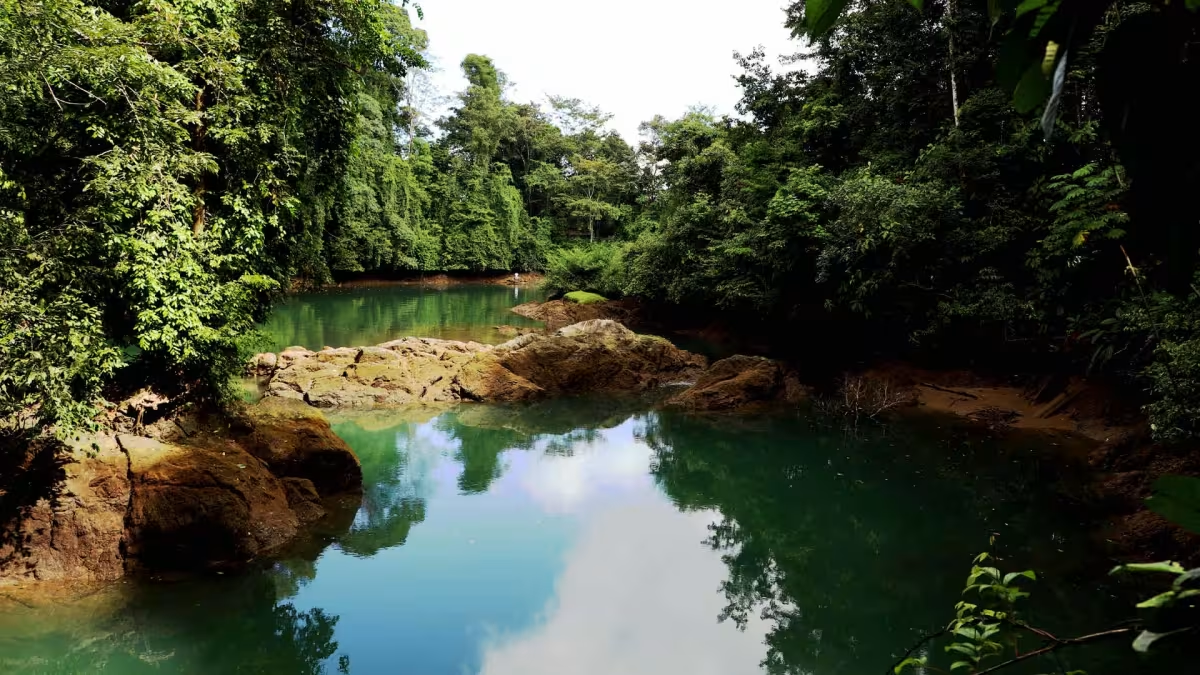
- What to expect: This is the main reason many travelers come to Drake Bay. Most visitors take guided boat trips to either Sirena or San Pedrillo stations in Corcovado National Park, where you’ll hike through primary rainforest looking for tapirs, monkeys, scarlet macaws, sloths, crocodiles, and other animals. The flora is also stunning.
- When best: December through August offers the most reliable access. September and October can bring closures and weather disruptions.
- Tips: Book early during peak season and expect early morning departures. It’s usually a hot experience in a very humid environment, so it’s important to stay hydrated.
Caño Island Snorkeling and Diving
See full info here.
- Duration: Full-day tour.
- Cost: Typically $120–$180 for snorkeling; diving trips are often higher.
- Difficulty: Easy for snorkeling, moderate for diving.
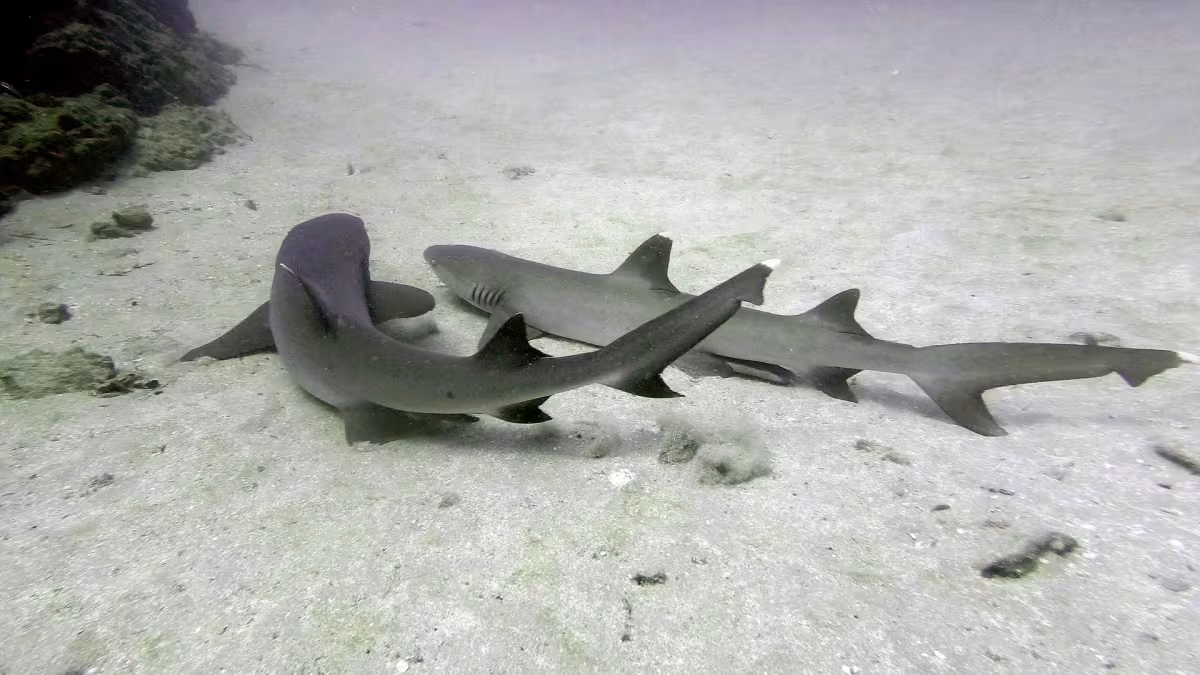
- What to expect: Caño Island Biological Reserve is one of Costa Rica’s top marine destinations. Snorkeling trips typically include multiple stops where you may see reef fish, sea turtles, rays, reef sharks, and occasionally dolphins.
- When best: December through June typically offers the calmest water and best visibility.
- Tips: Book diving trips in advance if traveling during peak season as it fills up quickly.
Whale and Dolphin Watching
See full info here.
- Duration: Half-day tour.
- Cost: Typically $80–$150 per person.
- Difficulty: Easy.
- What to expect: Drake Bay sits along one of Costa Rica’s best whale migration routes. Humpback whales can often be seen during migration seasons, while dolphins are commonly spotted year-round during boat tours.
- When best: July through October and December through March for humpback whales.
- Tips: Morning tours typically offer calmer water conditions.
Dining & Food in Drake Bay
Dining in Drake Bay is far more limited than most other destinations in Costa Rica. This is not a place people visit for eating out and restaurants, but that does not mean the food is not quality. The top hotels offer gourmet dining with unique local twists and organic ingredients.
Lodge Dining and Meal Plans
Many of Drake Bay’s higher-end and more remote hotels include breakfast, lunch, and dinner as part of the nightly rate. This is common in more isolated areas that require boat transfers or longer walks to reach town. Menus typically focus on fresh seafood, tropical fruit, Costa Rican staples, and international dishes.
Restaurants in Agujitas
Travelers staying closer to Agujitas village have more flexibility and can easily eat at independent restaurants.
- Kalaluna Bistro is one of the stronger independent dining options in the area, known for fresh seafood and a more polished atmosphere.
- Restaurante Bucanero is a popular casual option for seafood, casados, cocktails, and sunset views.
- Mar y Bosque is one of the better soda-style options for affordable local meals.
Drake Bay Budget Breakdown

Drake Bay is generally more expensive than travelers expect. While there are some budget accommodations, when you add transportation, guided tours, and the destination’s remote logistics, it can quickly increase overall costs.
Daily Cost Estimates
This is an average of what you can expect!
Economy ($100–$250/day)
- Accommodation: $35–$100 (hostels, cabins, basic guesthouses)
- Food: $20–$50 (sodas, self-catering, simple restaurants)
- Activities: $0–$50 (beach time, hiking, limited paid activities)
- Transport: $15–$40 (shared boats, buses, local transfers)
- Miscellaneous: $10–$20
- Total: $100–$260
Mid-Range ($400–$800/day)
- Accommodation: $150–$400 (boutique hotels, mid-range lodges)
- Food: $40–$100 (hotel meals and local restaurants)
- Activities: $120–$300 (Corcovado and Caño Island tours)
- Transport: $80–$200 (domestic flights or organized transfers)
- Miscellaneous: $20–$40
- Total: $400–$850
Luxury ($900+/day)
- Accommodation: $600–$1,000+ (remote eco-lodges and luxury properties)
- Food: Often included at many luxury lodges
- Activities: $150–$500+ (private guides, diving trips, custom excursions)
- Transport: $150–$400 (domestic flights, private transfers)
- Miscellaneous: $20–$50
- Total: $900–$1,950+
Sample Activity Costs
| Activity | Cost | Notes |
| Corcovado day tour | $120–$180 | Sirena or San Pedrillo |
| Caño Island snorkeling | $120–$180 | Full-day trip |
| Caño Island diving | $180–$250+ | Usually more than snorkeling |
| Whale watching tour | $80–$150 | Seasonal |
| Kayaking / paddleboarding | $20–$50 | Rental dependent |
Money-Saving Tips for Drake Bay
- Stay in Agujitas rather than remote lodges if you’re trying to keep costs down.
- Travel during May, June, or November for lower hotel rates.
- Choose hotels that bundle meals, transfers, or tours to simplify costs.
- Flying saves time, but the Sierpe boat route is often cheaper.
Safety & Essentials in Drake Bay
Drake Bay is one of Costa Rica’s safest destinations from a crime perspective, but it comes with different challenges than more developed beach towns. The bigger considerations here are remoteness, ocean conditions, hiking safety, and limited infrastructure. Most trips are very smooth, but travelers should arrive prepared for a more rugged destination.
General Safety
Drake Bay is generally very safe. Serious crime is rare, and petty theft is less common here than in larger beach destinations, but basic precautions still go a long way for extra security. Don’t leave valuables unattended on beaches, avoid walking in isolated areas at night, and use hotel safes when available. Also, keep an eye out for monkeys: they might try to steal your food!
If you’re visiting Corcovado National Park, always follow guide instructions. Wildlife encounters, river crossings, heat, and trail conditions can become serious if visitors underestimate the environment. If you’re respectful of the nature around you and follow basic precautions, your trip is likely to go hassle-free.
Health
- Water safety: Tap water is generally safe at most hotels and restaurants, but ask at smaller properties if unsure.
- Mosquito precautions: Important year-round, particularly during the rainy season.
- Sun exposure: Strong on boat tours and beach excursions; sunscreen and hydration are essential.
- Medical care: Very limited in Drake Bay. More serious medical needs may require travel to Puerto Jiménez, Palmar Norte, or beyond.
- Insurance: Strongly recommended due to the destination’s remote nature and adventure activities. Our tour providers are always ensured.
Logistics
- Currency: Bring cash. Drake Bay has no ATM, and smaller businesses may not accept cards.
- Language: Spanish is the primary language, though English is commonly spoken in hotels and tour operations.
- WiFi: Available in most hotels, but often slower and less reliable than in larger destinations.
- Electricity: Same as the U.S. (110V, Type A/B plugs).
- Weather disruptions: Heavy rain can impact flights, boat schedules, and tours, particularly in September and October.
Packing for Drake Bay
Drake Bay is closer to the untamed rainforest than other destinations in Costa Rica. Part of the adventure is to be in a secluded area, surrounded by nature. That does mean you have to pack accordingly.
Lightweight clothing, rain jacket, and beachwear are essential. There’s a lot of hiking in this area, so hiking shoes or sturdy sandals are also a necessity. If you can get waterproof shoes, that would also make things easier for you especially when visiting Corcovado National Park. You can only enter the park with a reusable water bottle, so have one ready when you get to Drake Bay. We always recommend reef-safe sunscreen and insect repellent. A cap or hat for hiking would also come handy.
Best Resources
- Official travel and tourism site: Visit Costa Rica
- Where to Stay in Drake Bay
- The Osa Peninsula
- Best Tours in Osa
An Intense Nature Experience in Osa Peninsula

If you’re looking forward to getting away from everything to become one with the rainforest, Drake Bay will be perfect for you. The area breathes life back into anybody lucky enough to visit. It might be a little harder to reach, but it’s worth every second. The trees loom over every trail and step like a natural cathedral, a space of peace when some of the most precious animals of the country can be safe and thrive. You’re more than welcome to visit, Drake Bay awaits!
Ready to Book?
If you’re interested, we can help you build a customized itinerary that works just for you and your companions. Our Costa Rica Vacations travel consultants handle everything from accommodations and transportation to tours and local recommendations, making it easy to plan your trip without the guesswork. Get in touch today to start planning your vacation.
FAQs about Drake Bay
Is Drake Bay worth visiting?
Drake Bay is one of Costa Rica’s best destinations for travelers interested in nature and wildlife, Corcovado National Park, Caño Island, and remote nature experiences.
How many days do you need in Drake Bay?
Most travelers spend three to five nights in Drake Bay. This allows enough time for a Corcovado tour, a Caño Island tour, and some downtime between activities.
What is the best way to get to Drake Bay?
For most travelers, flying from San José to Drake Bay is the easiest option. The most common alternative is traveling to Sierpe and taking a boat to Drake Bay.
Can you visit Corcovado National Park without a guide?
No. Visitors must enter Corcovado National Park with an authorized guide.
Is Caño Island worth it?
For most visitors, yes. Caño Island Biological Reserve is one of Costa Rica’s best snorkeling and diving destinations.
Are there luxury hotels in Drake Bay?
Yes, but they are upscale eco-lodges rather than traditional luxury resorts.
Is Drake Bay safe?
Yes. Crime levels are low, but travelers should be prepared for remote conditions, boat transfers, and outdoor activities.