

Enjoy Birdwatching in Costa Rica!
Costa Rica is one of the world’s top birdwatching destinations, with over 900 recorded species in a country smaller than West Virginia. That’s more than the combined totals of the United States and Canada. The variety of ecosystems—rainforests, cloud forests, wetlands, mangroves, and beaches—are packed close together, meaning you don’t need to travel far to enjoy exceptional birding.
The best time for birdwatching is during the dry season from December to April, though you can spot birds year-round. Early mornings and late afternoons are usually the most active hours. On a dedicated birdwatching tour with a local naturalist, it’s common to see 50 or more species in a single outing. In some regions, groups have recorded 100–150 species in one day.
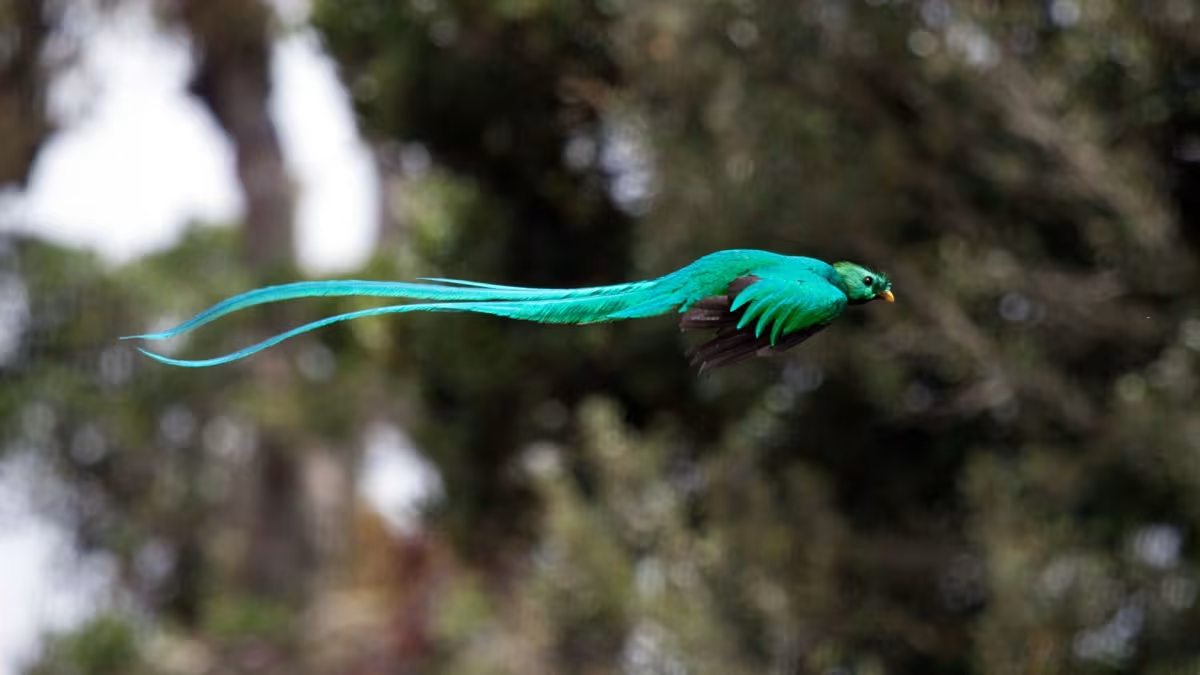
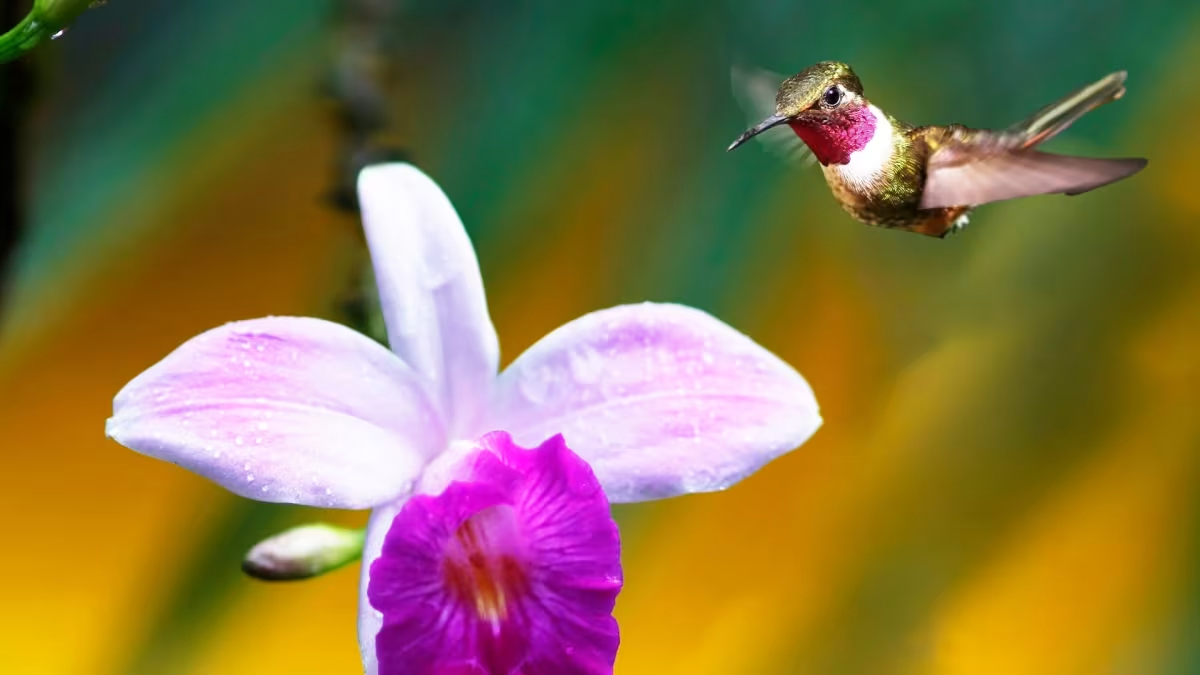
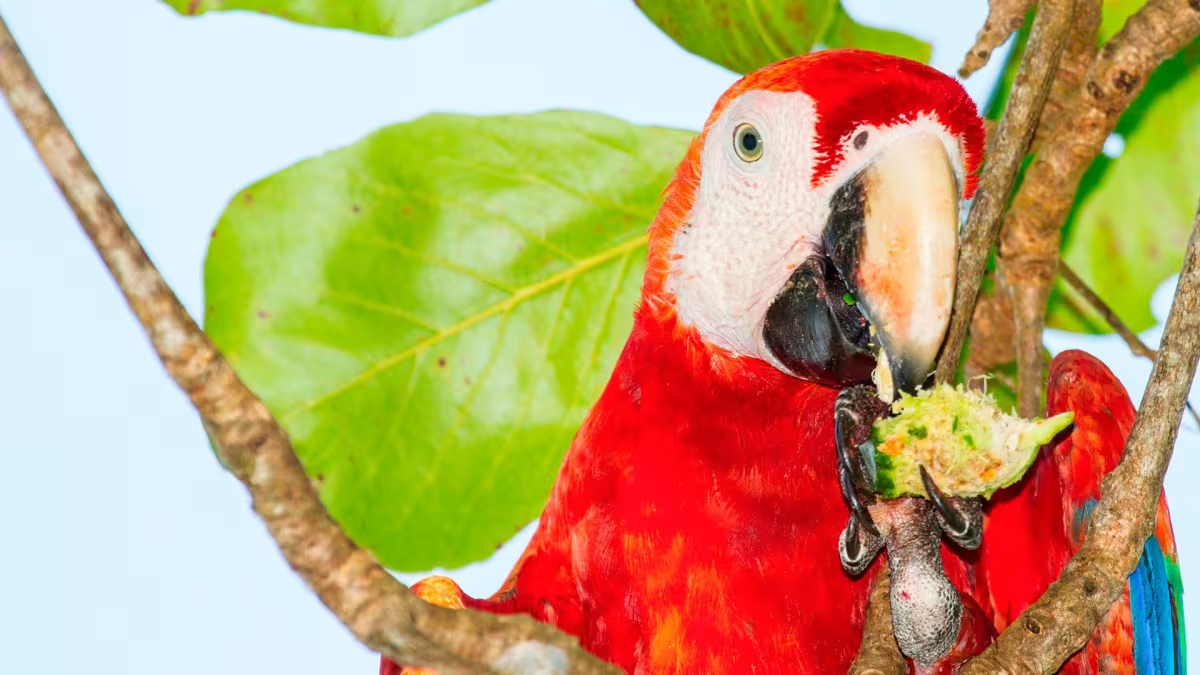
Costa Rica is home to some iconic birds. The resplendent quetzal, found in the cloud forests of Monteverde and San Gerardo de Dota, is a highlight for many birders. Scarlet macaws, toucans, bellbirds, cotingas, trogons, manakins, and a dazzling array of hummingbirds are also regular sightings. In more remote regions such as the Osa Peninsula, serious birders may even seek out rarities like the harpy eagle or Baird’s trogon.
Birdwatching is suitable for all levels, from beginners with a casual interest to expert ornithologists. Tours with local guides are highly recommended; they know where to find species depending on the season and habitat, and their trained eyes can spot birds most visitors would miss.
Bring binoculars, a field guide, a good camera, and light clothing in natural colors. Insect repellent, water, and patience will make your trip even more rewarding. Above all, move slowly, keep quiet, and respect the birds and their habitats.
Key Birdwatching Locations
A quick guide to some of the main birdwatching spots around Costa Rica:
Arenal & Northern Lowlands
Known for toucans, oropendolas, and raptors. Tours often include the national park, surrounding rainforests, and wetlands near La Fortuna.
Monterverde
Famous for quetzal sightings and a wide range of hummingbirds, including the violet sabrewing. The area has several cloud forest reserves with excellent trails and hummingbird gardens.
Guanacaste & Palo Verde
The dry forests and wetlands attract large numbers of aquatic birds, especially during the dry season, with highlights like jabiru storks and herons.
Manuel Antonio
Offers both jungle and coastal birding. Scarlet macaws, fiery-billed aracaris, and seabirds can often be spotted.
Osa Peninsula & Corcovado
One of the richest birding regions in the country, with up to 400 species including cotingas, antbirds, and mangrove specialists.
Central Valley
Easy to access from San José, this region includes a mix of species such as the fiery-throated hummingbird and ornate hawk-eagle.
FAQ About Birdwatching With a Naturalist Guide
What is the best time to go birdwatching in Costa Rica?
The transition months of May through September are highly recommended, but you’ll have great finds year-round.
Where are the most hummingbirds in Costa Rica?
A hummingbird gallery and a hummingbird garden are found in Monteverde, making it easy to spot at least ten species.
Where can I photograph birds in Costa Rica?
Have your camera ready at all times. You never know if you’ll see an excellent bird as you’re driving along a highway, but the best places to photograph rare birds are deep in the forests, at least a mile or so from highly trafficked areas. Arenal, Osa, and Monteverde are some of the top spots.
What should I bring on a birding trip?
Binoculars, a list of birds you hope to see, and a quality camera.
Where can you see wild macaws in Costa Rica?
In Manuel Antonio and on the Osa Peninsula, you can occasionally see them at Playa Carrillo along the Guanacaste Coast in the beautiful palm trees.